Concept Development
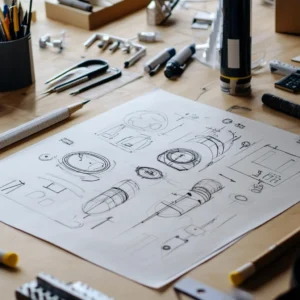
Every device starts as a rough idea, a sketch, or sometimes just a clinical frustration someone wants solved. We work with you to turn that into a defined concept: what the device actually needs to do, who it's for, roughly what class of device it's likely to be, and what would have to be true for it to work commercially. In our experience getting this right early saves quite a bit of time and money later, because the regulatory route and the engineering both hang off it.
Feasibility studies
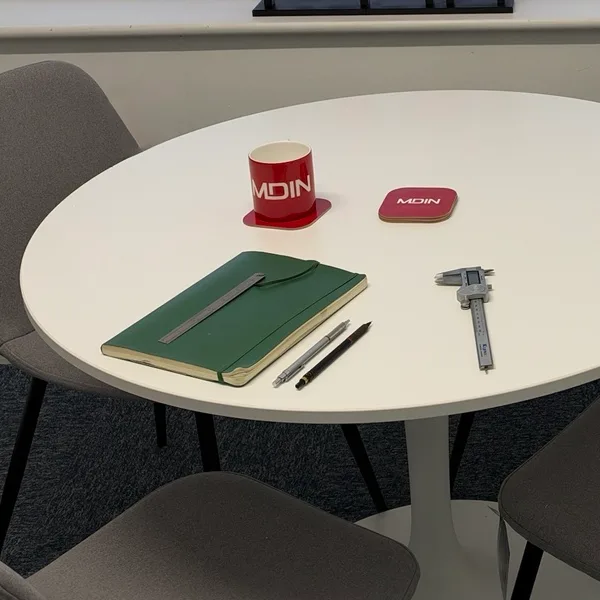
A short, structured look at whether the idea holds up before you commit real money to it. In a 1 to 2 week sprint we pressure-test the riskiest assumptions, build quick rigs where a question needs a physical answer, and give you an early risk snapshot with a clear next-step plan. Sometimes the honest answer is that the concept needs rework, and finding that out in week two is far cheaper than finding it out in month six.
Design and Development
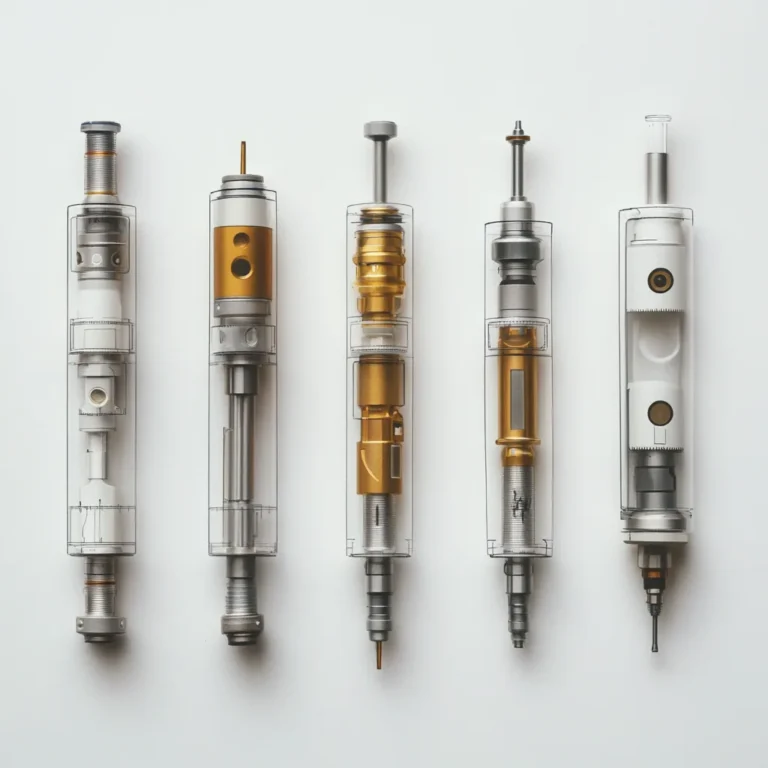
Full design engineering: CAD modelling, simulation and analysis, material selection, and design for manufacture. Risk management runs through our process from the start, so hazards get designed out rather than documented afterwards, and the design history is captured as we go, which is what eventually becomes your technical file. We lead with mechanical design, and we've taken devices from first concept through to notified body submission.
Rapid Prototyping
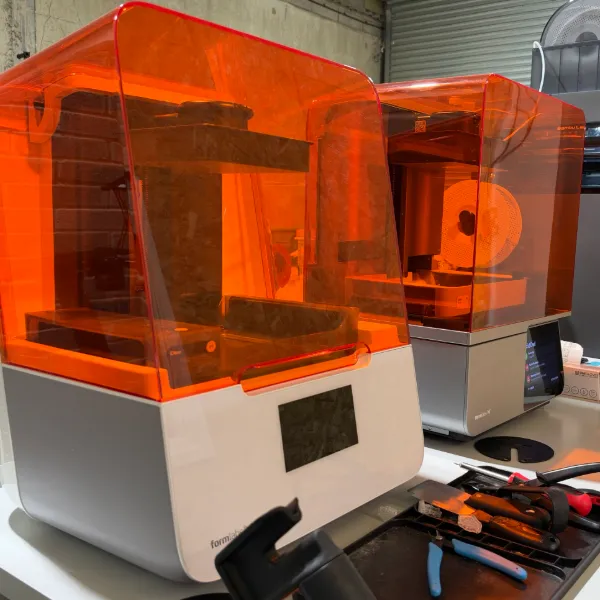
Working prototypes in days rather than months, from our own workshop near Bristol: 3D printing, vacuum casting and CNC machining in-house, with proper drawings behind every build so a prototype is a captured design rather than a one-off. Iterating quickly on cheap builds, and proving the design before any hard tooling is cut, is usually where the biggest cost savings in a device programme live.
Testing and Verification
We build bench test rigs in-house around the question your device needs answered, run the tests, and record the results properly so they feed your design verification and your technical file rather than sitting in a drawer. When the design is frozen, we run mechanical verification testing against your written requirements, with an approved protocol, custom fixtures and a report a reviewer can follow.

Regulatory Compliance
We work out the regulatory route for your device (UKCA, CE or both, and in which order), classify it, identify the standards that apply, and prepare the documentation for submission. The most useful thing we do here is translate regulatory requirements into engineering decisions early, so compliance is built into the design rather than bolted on. To be clear about the boundary: MDIN prepares devices for UKCA and CE marking, and the conformity assessment itself sits with you and, where required, an approved or notified body.

Quality Management Systems
We design and implement ISO 13485 quality systems sized to the company that has to run them, which means a system your team can actually operate day to day, not a binder of procedures written to impress an auditor and ignored afterwards. We also remediate existing systems that have drifted, and prepare teams for certification and surveillance audits.

Technical File Creation & Management
The technical file is the evidence pack behind your device, and we build it alongside the design rather than as a scramble at the end. Design inputs, risk files, verification results, labelling, clinical evaluation, all originated and assembled into a single navigable file that's ready for review. If you want to know what one actually contains, we've written that up in plain English on the blog.
Pre-Production
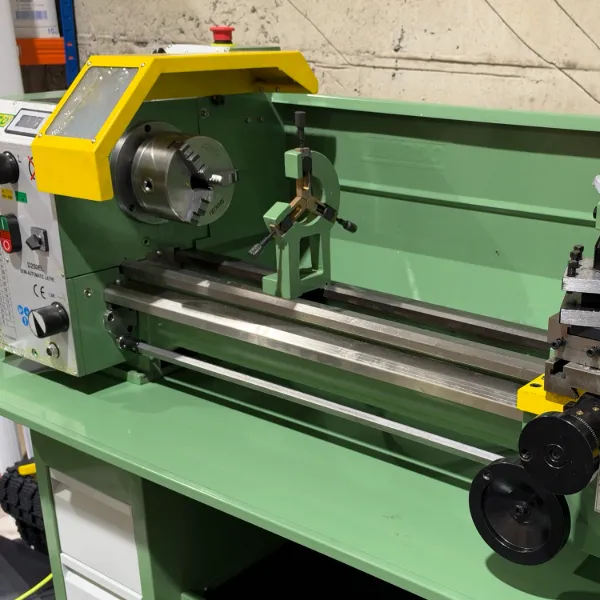
The step from a proven prototype to a device someone can manufacture repeatably: tooling design, process development and process validation, working with your manufacturer or helping you choose one. The aim is that what comes off the line is the device you verified, every time, with the evidence to show it.