Medical device engineering from our own workshop near Bristol
We take medical devices from an early idea to a technical file ready for UKCA or CE marking, working from our unit at Hewish, near Weston-super-Mare.
We take medical devices from an early idea to a technical file ready for UKCA or CE marking, working from our unit at Hewish, near Weston-super-Mare.

Rob has 15 years of experience in mechanical engineering and medical device development, including drug-device combination products such as autoinjectors. He holds a degree in Mechanical Engineering from Plymouth University and a Master’s in Medical Device Regulatory Affairs, and he is a Registered Member of TOPRA, the professional body for regulatory affairs.
At MDIN the design and the regulatory work are planned together from the first sketch, because regulatory questions are much cheaper to answer early. Risk management and test evidence build up as the device develops, so the technical file is largely written by the time the design is frozen.
Our unit at Millhouse Barns, Hewish, has its own workshop and meeting room. Prototypes are made and tested on site, so most printed parts are ready the same day or overnight.
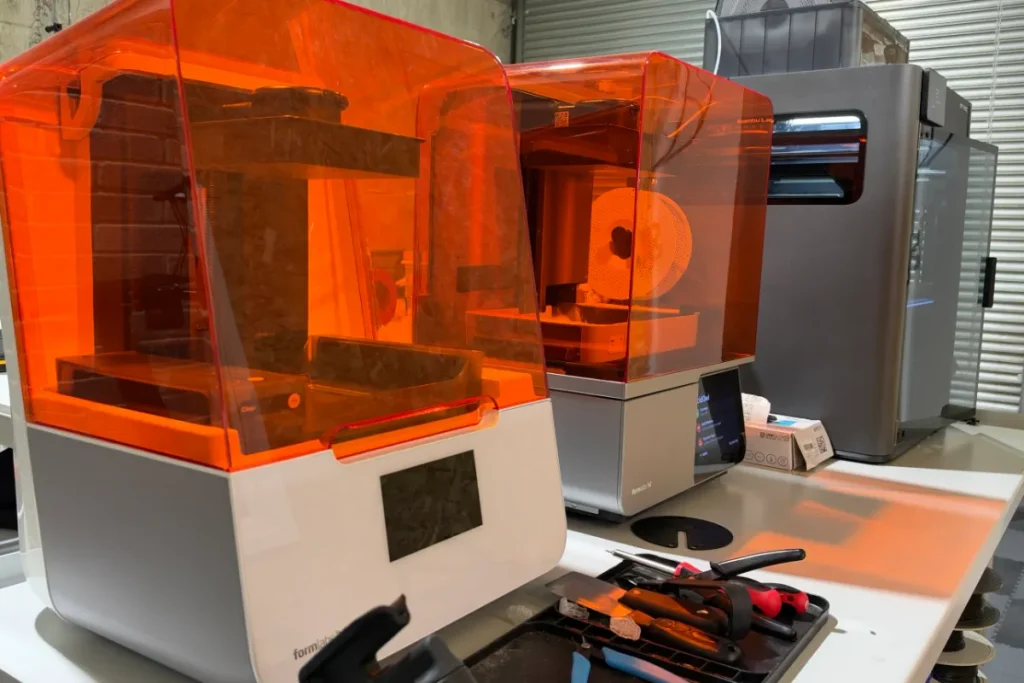
A Formlabs Form 4 and Form 3B for fine detail and clear housings. We also print soft parts directly in silicone, and the Form 3B runs Formlabs’ medical resins.
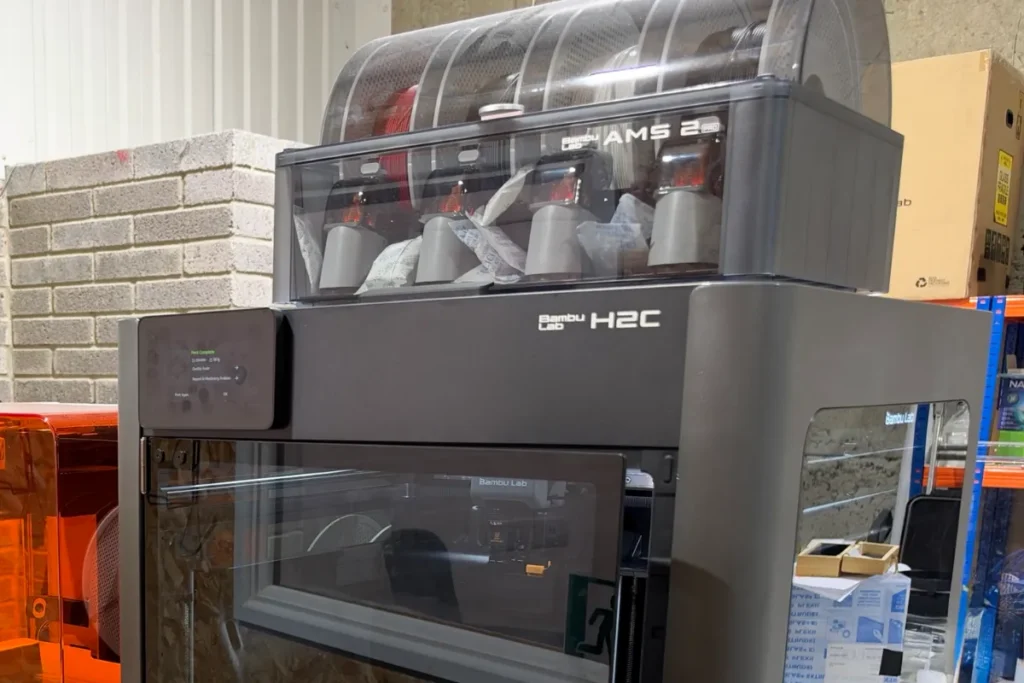
A Bambu Lab H2C for larger parts and test fixtures, printing several materials or colours in one build.
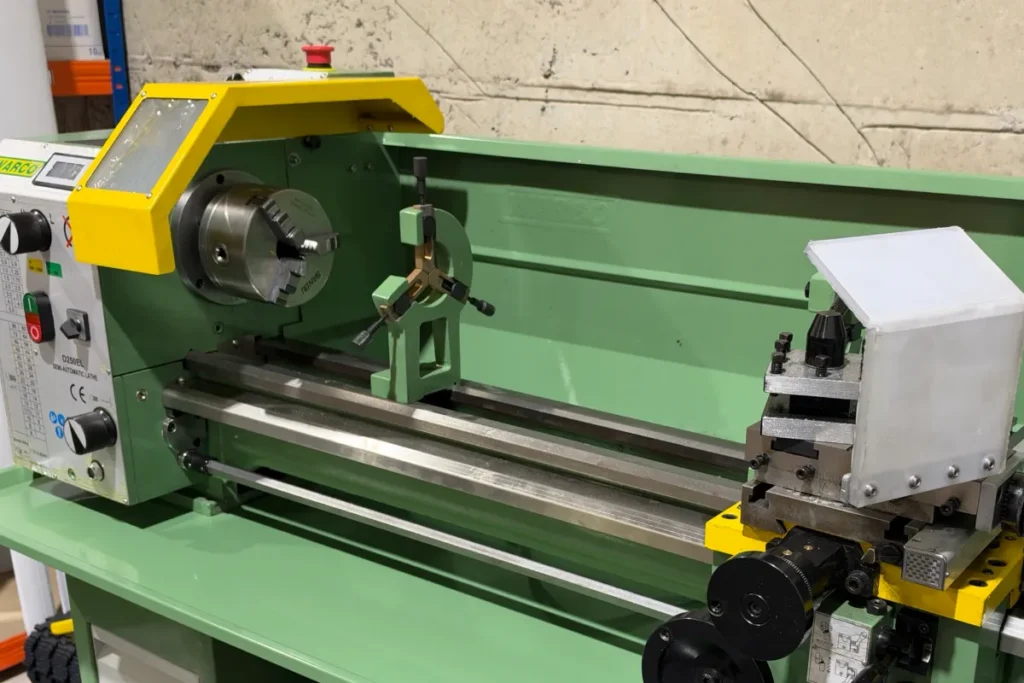
A Warco D250EL lathe for turned parts in metal and plastic, used for prototype components and the fixtures on our test rigs.
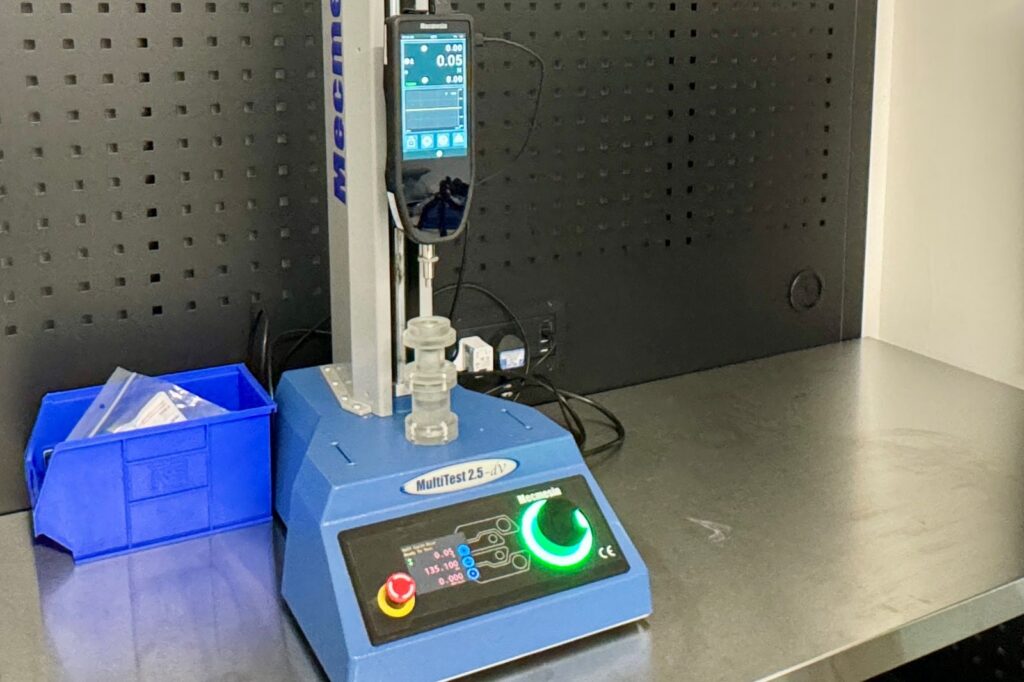
A Mecmesin MultiTest 2.5-dV motorised tester for force and displacement measurements from a few newtons up to 2.5 kN, with results recorded so they can go straight into your design verification.
We also make silicone moulds and vacuum-cast parts for short runs in materials closer to production, and all design work is done in SolidWorks with a drawing behind every build. There’s more on how we use the workshop on our proof-of-concept builds and rapid prototyping pages.
We write the regulatory documentation alongside the engineering and keep it in step as the design changes, so the file is ready when your notified body or approved body asks for it.
Technical documentation for UKCA and the EU MDR, built up from the design work as the project runs.
A quality management system sized for your team, set up and documented so it is ready for a certification audit.
A review of your device and its documentation against the EU MDR or UK requirements, with a plan that puts the must-do items first.
Risk management to ISO 14971 that starts at the concept stage and stays live through design changes and into production.
Human factors work to IEC 62366, built into the prototype rounds and user trials so the evidence comes from real use.
Labels and instructions for use written to the MDR’s requirements, with symbols checked against ISO 15223-1.
MDIN prepares devices for UKCA and CE marking. Conformity assessment itself sits with you and, where required, an approved or notified body. If you’re starting out, our guide to what goes in a medical device technical file is a good place to begin.
Every project starts with a free 30-minute call about your device and where it needs to get to.
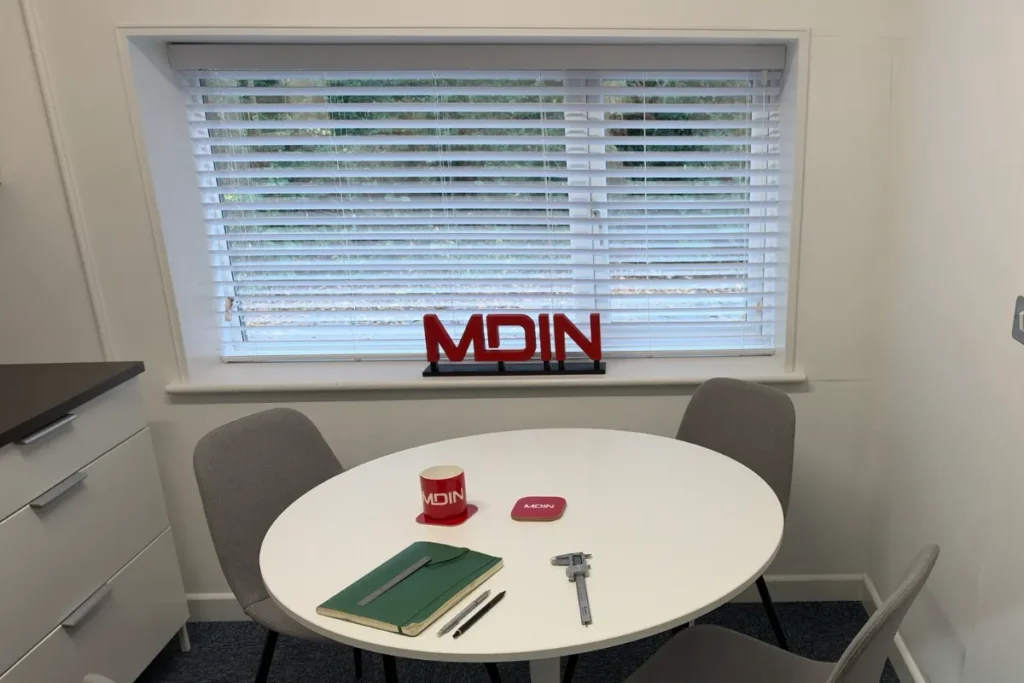
You’re welcome to come to the unit for design reviews and to see your prototypes being built. We’re at Unit 2e, Millhouse Barns, Cowslip Lane, Hewish, BS24 6AH, close to junction 21 of the M5.
Book a call first and we’ll have parts ready to look at.
Recent projects include a powered nasal irrigator that was already FDA registered. We brought its documentation in line with the EU MDR, and it is now with a notified body. We also took a foot offloading device from concept to manufacture in 14 months, through seven rounds of prototypes and two user trials.
Our case studies cover more of our work, including an Innovate UK-funded project with HelloCath.