
Case Studies

From first concept to Article 117: a rugged autoinjector
A rugged autoinjector taken from initial concept through to EU MDR Article 117, with the technical documentation built as the design developed.
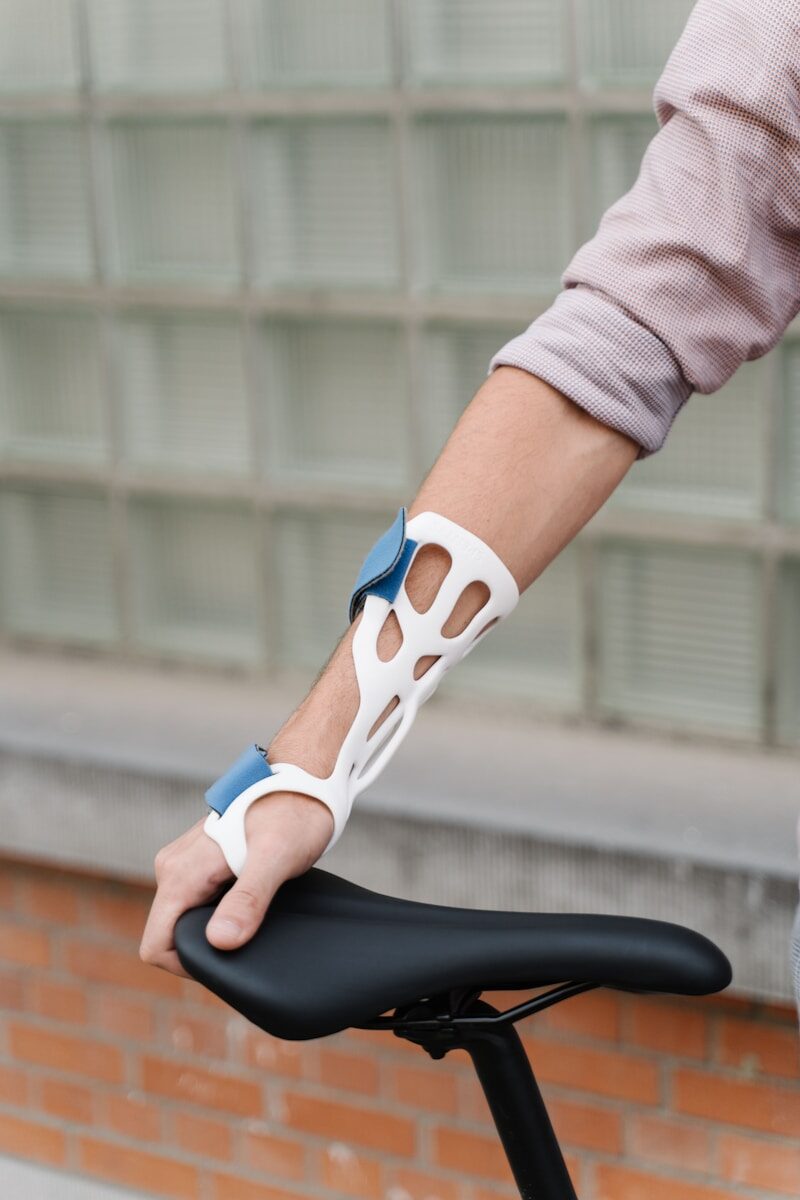
Proof of concept for a custom-fit wearable support device
Proving a scan-to-device workflow for a custom-fit wearable support device, from proof of concept through initial prototypes to a defined regulatory route.

HelloCath: from an idea to tested prototypes and a regulatory route
Concept development, several rounds of silicone prototypes, technical drawings and a mapped regulatory route for an early stage bladder care venture.
More of our work
Some of our work is under NDA, so these projects are described without naming the client.
Powered nasal irrigation device
The brief: An FDA-registered device that needed CE marking to sell in Europe.
What we did: A gap assessment against the EU MDR, rewritten technical documentation, risk management and labelling.
Outcome: Now under review with a notified body.
Foot offloading device
The brief: A device to take pressure off wounds on the foot, from blisters to ulcers, so they can heal.
What we did: Took it from the first concept through seven rounds of prototypes and two user trials, then handled the regulatory work and the hand-over to manufacturing.
Outcome: 14 months from concept to manufacture. About to launch.
Bed mobility aid
The brief: A device to help people get themselves out of bed.
What we did: Took it from the first concept through design and prototyping, then handled the regulatory work and the hand-over to manufacturing.
Outcome: About to launch.
Typical projects
Examples of the kind of work we take on. These aren’t specific client projects.
Example: feasibility sprint for a wearable
The brief: A founder with a wearable sensor concept who needs to know the core idea works before committing the grant budget.
What we’d do: A 1-2 week sprint that pins down the riskiest assumption, with quick prototypes tested on the bench.
What you’d get: A clear go/no-go decision, backed by test results.
Example: force-test rig for a pen injector
The brief: A team that needs repeatable activation-force data on a pen injector before the design is frozen.
What we’d do: Design and print fixtures that hold the device the way it’s used, then run it on our Mecmesin test stand.
What you’d get: Force/displacement data and a written test method you can reuse for design verification.
Example: UKCA gap assessment for a Class I device
The brief: A UK manufacturer whose technical file hasn’t kept up with current UKCA requirements.
What we’d do: A 1-2 week review of the file, sorting every gap into must-do and can-wait.
What you’d get: A gap map and a 6-12 week roadmap to close the gaps.